
Passage-planning articles for sailors
Plain-language articles on reading the weather along your route, judging a window, and turning the forecast into a clear go-or-wait call, written for sailors, not meteorologists.
Start with the pillar article for the full routine, then dig into the topic you need: definitions, the GO/NO-GO decision, how AI passage assessment works, or what changes for your boat type.
Weather window assessment for sailors
The complete routine for knowing when to go: the six factors that decide a GO from a NO-GO, why one forecast model is never enough, and a repeatable pre-departure process you can run for every passage.
What is a weather window for sailing?
What a weather window actually is, what makes one favorable, how long it needs to be, and how to read sea state by wave height and period.
How to make a GO / NO-GO passage decision
The five-level recommendation scale (GO, CAUTION, MARGINAL, NO-GO, DIVERT), the six questions behind every call, and the mistakes that sink a good decision.

AI passage assessment for sailors
What AI passage assessment is, how it differs from weather routing, how it works step by step, and, honestly, what it can and can't do.

Monohull passage planning and weather
How a keelboat's heel, slower speed, and deep rolling motion change the weather call, plus a monohull-tuned sea-state table and pre-departure checklist.
Catamaran passage planning and weather
How a cat's speed, lack of heel, and bridgedeck slamming reshape which conditions are comfortable, plus a multihull-tuned sea-state table and checklist.
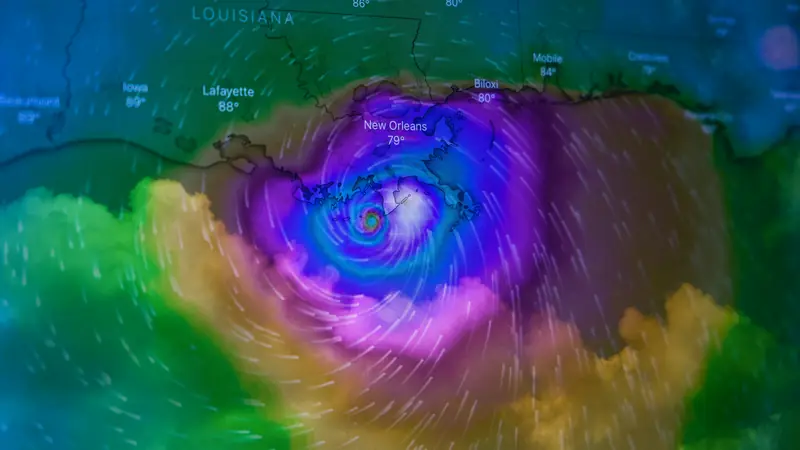
GFS vs ECMWF vs ICON: which weather model to trust?
The major global weather models (GFS, ECMWF, ICON, UKMO, ARPEGE and the new AI models), what each does well, and why agreement between them matters more than any one forecast.

Swell vs wind waves, cross-seas and confused seas
Why wave height alone tells you little, how period and direction decide the ride, what encounter period means, and how two wave trains stack into a confused cross-sea.
How to read marine forecasts and GRIB files
The text forecast, the GRIB file, and the surface analysis chart, what each one shows and what it hides, and how to read all three together so the gaps in one are covered by the others.
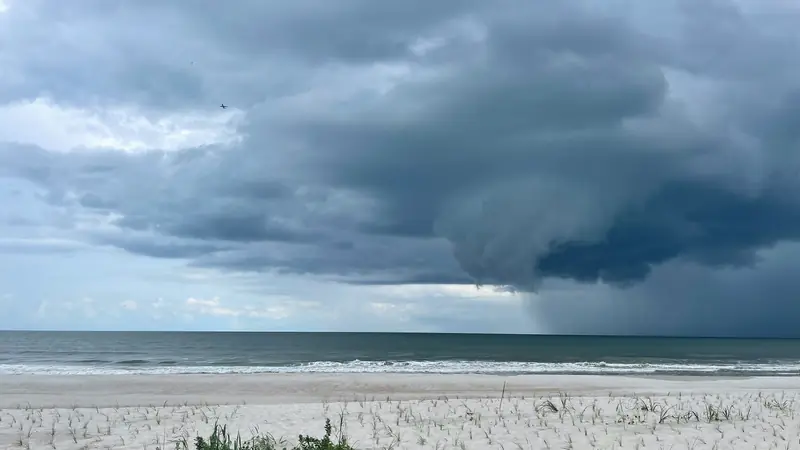
Squalls and lightning offshore
How to spot a squall coming, when convection is most likely to fire, what a forecast can and cannot show, and how to reef early and stay safe when the wind and the lightning arrive.
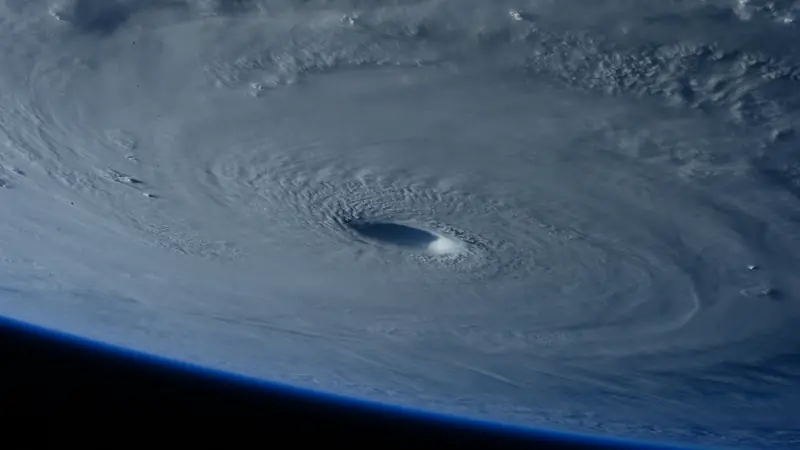
What is an ensemble weather forecast, and why should sailors care?
What an ensemble forecast is, how it differs from a single deterministic model run, and why the spread of ensemble members is the uncertainty signal that matters most on a multi-day passage.

AI weather forecasts vs ensemble forecasts: what's the difference for sailors?
AI-or-physics and deterministic-or-ensemble are two separate questions about a forecast, not one choice. Why ECMWF's own AIFS proves the two are independent, and why model convergence, not model architecture, is what matters for a departure call.
From reading the articles to making the call.
These articles cover the concepts. WeatherWindow.AI does the legwork. It projects your position hour-by-hour, queries a 7-model wind and 4-model wave forecast plus a 200+ member ensemble, marine forecasts, and AI-read synoptic charts at each point along your route, and returns one call: GO, CAUTION, MARGINAL, NO-GO, or DIVERT, with the reasoning behind it. You see the data, and you make the final decision.
WeatherWindow.AI is a decision-support tool that assesses your intended passage. It is not a weather routing service. It does not replace official marine forecasts, a professional weather router, or your judgment as master.